
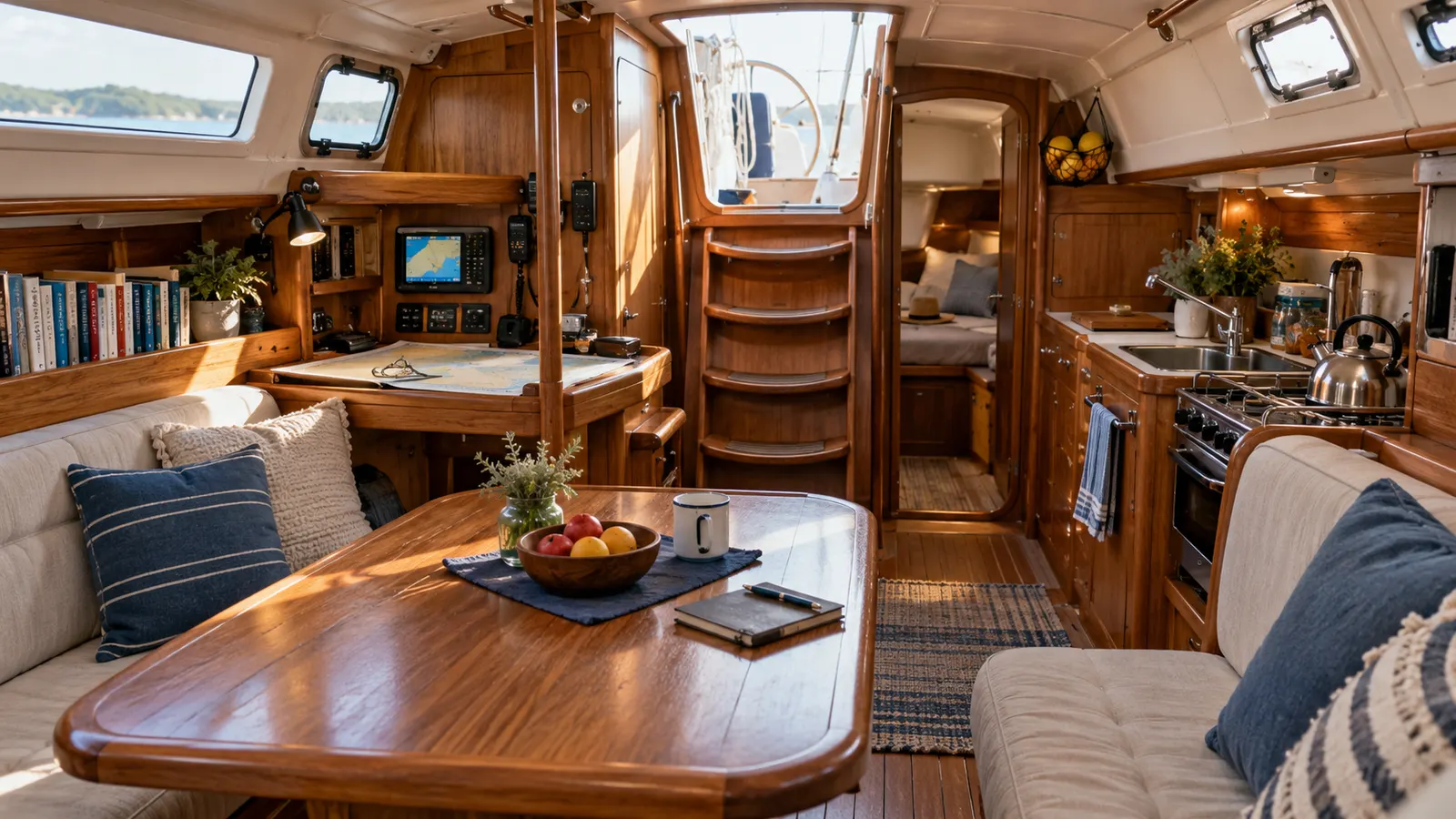
Use
Occupancy underwriting factors
- Continuous occupation raises the frequency of onboard fire and electrical incidents
- Cooking, heating and shore-power use increase substantially
- Personal property aboard is far greater than on a weekend boat
- The vessel becomes a residence, raising questions marinas and insurers treat differently
- Systems run continuously, accelerating wear on pumps, batteries and charging equipment
Liveaboard exclusions
Many pleasure craft products are built around a boat that is used intermittently and left secured between trips. Continuous occupation is a different product, closer in some respects to a residential risk. Rather than price it, a number of insurers simply exclude it, which is why disclosure so often produces a decline rather than a loading.
Steps after a liveaboard decline
- Confirm exactly what the insurer means by liveaboard — definitions vary, and part-time aboard may be treated differently.
- Establish whether your marina permits liveaboard occupancy, since insurers often ask.
- Get an electrical and gas systems inspection, and keep the report.
- Document the fire-safety arrangements aboard.
- Approach specialist markets through a broker rather than reapplying directly.
Frequently asked questions
What counts as living aboard?
Definitions vary between policies. Some define it by nights aboard per year, some by whether the vessel is your principal residence. Ask for the definition in writing rather than assuming your arrangement falls outside it.
Is part-time liveaboard treated the same as full-time?
Often not. Many policies distinguish between extended cruising with nights aboard and permanent residence. The distinction is usually in the definitions section.
Prepare your quote properly
Insurers price what they can verify. Work through the vessel-details checklist before you request quotes, so every quote you get is built on the same facts.
Related guides
- Liveaboard Boat Insurance Australia
- Boat Insurance Declined: Why It Happens and What to Do Next
- Boat Insurance Disclosure: Duty Not to Misrepresent
- Boat Insurance Broker Australia: Services and Fees
- Marina Berth Boat Insurance Australia
- Boat Fire and Lithium Battery Insurance Claims
- Boat Insurance by Use and Cruising Style