
Regions
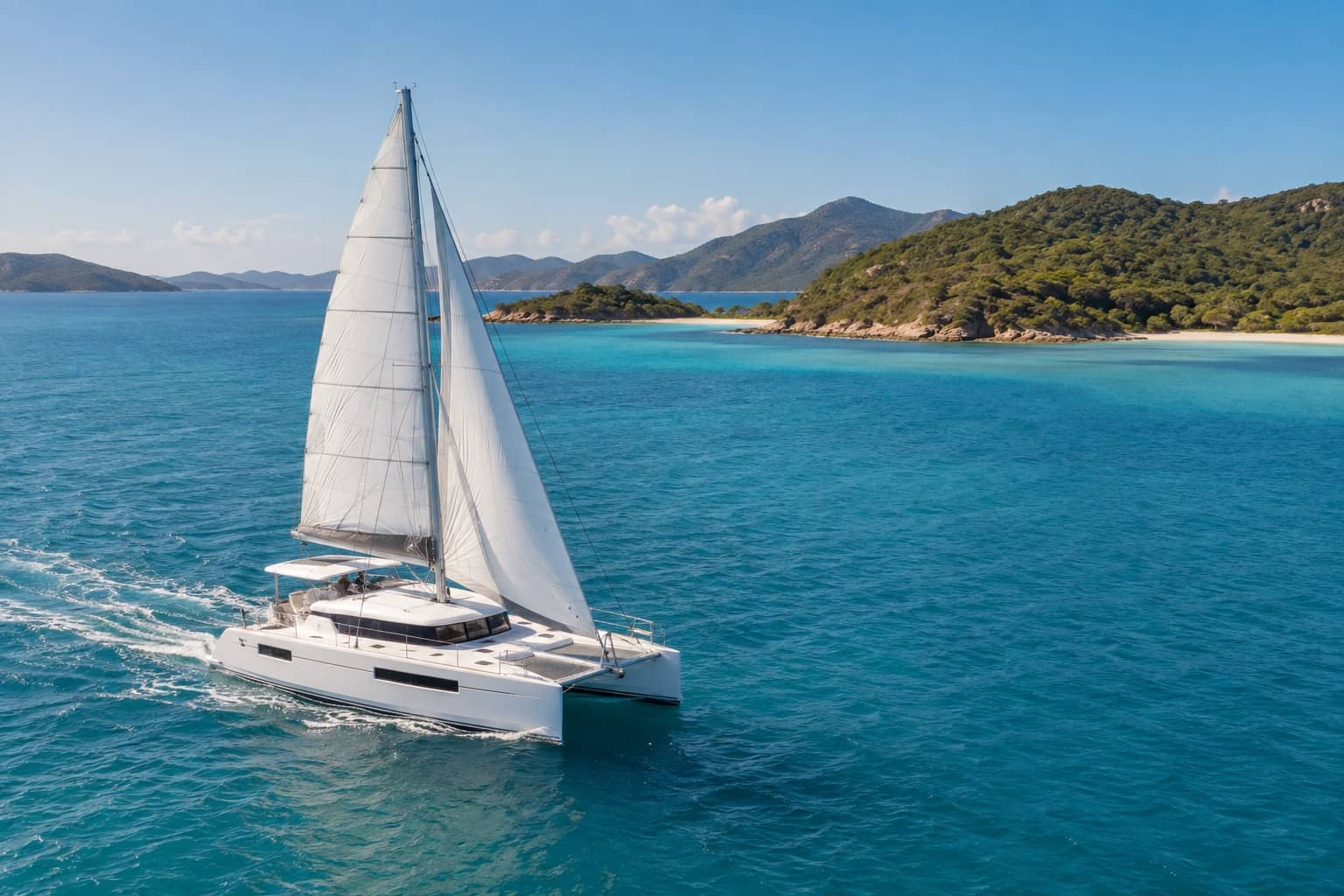
Catamaran insurance for Whitsunday cruising
Multihulls dominate here, and they are assessed differently from monohulls of the same value. A catamaran has two of most systems, is constrained by hardstand and travel-lift beam capacity when it needs repair, and carries bridgedeck structure that is expensive to put right. Local lift capacity is a genuine underwriting consideration rather than a detail.
| Factor | Effect on cover |
|---|---|
| Charter and bareboat density | High contact-claim frequency; check charter exclusions carefully |
| Catamaran population | Beam-limited haul-out; higher repair cost; two of every system |
| Cyclone season | Named-cyclone excess, refuge conditions, limited hardstand |
| Fringing reef and bommies | Grounding claims with hidden structural damage |
| Popular anchorages and public moorings | Unknown-condition moorings; dragging and contact claims |
| Tidal streams through the passages | Navigation risk in the Whitsunday and Hook passages |
Public moorings and unattended vessels
The public and courtesy moorings scattered through the island anchorages have a maintenance history you cannot see. They are fine for a daytime stop and a poor place to leave a boat unattended in deteriorating weather. If a mooring fails, the insurer will ask what you knew about its condition.
Whitsunday cruising policy checks
- Confirm the policy contemplates the cruising area including the outer islands.
- Establish the cyclone refuge and the trigger point for moving, in writing.
- If the boat is a catamaran, confirm a local lift can actually take the beam.
- Read the charter and hire exclusions before any commercial arrangement.
- Carry your own ground tackle rather than relying on a public mooring overnight.
Check the limits before you leave, not after
An extension requested a fortnight before departure is an ordinary transaction. The same request made after you have sailed does not exist.
Airlie Beach berth and passage information
Private cruising and charter arrangements need different descriptions. State how the boat is used, who operates it and where it will remain between trips, then ask about seasonal movement or preparation conditions.
What to collect before departure
Prepare the following location-specific record: cruising versus charter use, operator details and seasonal berth. Include departure and return dates, intermediate stops and a contact who can respond while the vessel is unattended. The aim is to give an insurer enough detail to distinguish the usual berth from the proposed journey.
How to handle a changed itinerary
If the timing or destination changes, retain the original approval and ask whether an amended endorsement is needed. Explain where the yacht will wait and how it will be secured. Do not treat an unanswered request as acceptance, and do not move into unsafe weather to meet an insurance date.
Related guides
- Boat Insurance in Airlie Beach and the Whitsundays
- Catamaran Insurance Australia
- Bareboat Charter Insurance Australia
- Cyclone Boat Insurance Australia
- Mooring Failure and Dragging Claims
- Great Barrier Reef Cruising Insurance
- Australian Cruising Region Insurance Guides
- Boat Insurance Requirements Finder Australia
- Marina Insurance Requirements Checklist